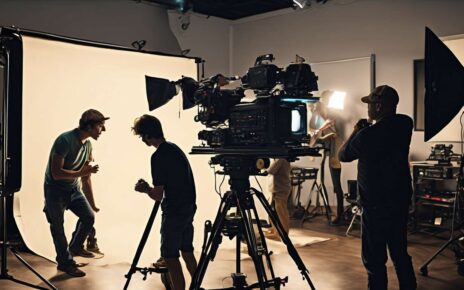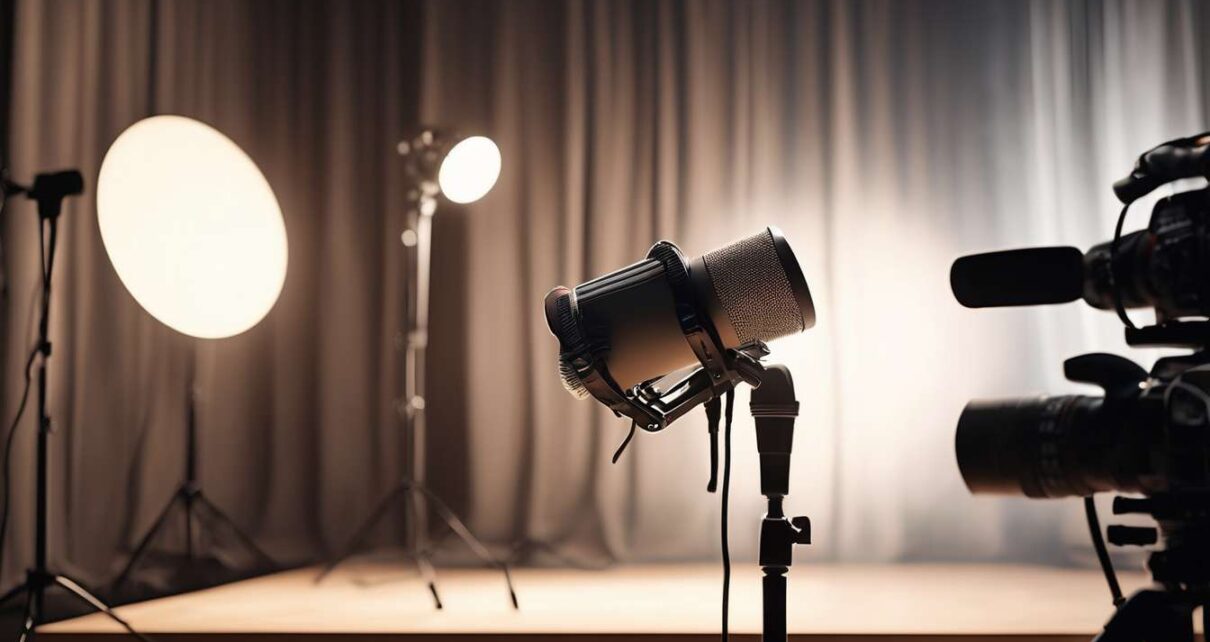
"Precision is the unsung director."
We step onto set knowing that lighting and sound quietly dictate perception. We believe technical decisions shape intimacy as much as performance, and that meticulous control of illumination and audio fidelity transforms raw footage into immersive experiences.
As producers, engineers, and creatives, we insist on standards that prioritize consistency, safety, and viewer comfort:
- Calibrated color temperature to flatter skin tones.
- Diffuse, soft sources to reduce harsh shadows.
- Balanced acoustics to capture breath, whisper, and ambience without distortion.
We adopt best practices to keep quality predictable and repeatable:
- Rigorous testing.
- Repeatable setups.
- Accessible documentation.
By treating lighting and sound as primary storytelling tools rather than afterthoughts, we elevate production values while protecting performers and respecting audiences.
Our approach demands investment and discipline, but the result is unmistakable: clearer visuals, cleaner audio, and a more respectful, professional final product that stands apart in a crowded marketplace.
Technical Foundations
Essential technical principles for consistent image and audio in adult video production
Consistent color temperature and skin tones.
We prioritize stable color temperature across all fixtures to keep skin tones natural and avoid distracting shifts between shots. Agree on white balance targets during setup and monitor color‑critical feeds together so everyone can verify consistency.
Collaborative monitoring.
- Use calibrated monitors for color-critical feeds.
- Have at least two team members confirm white balance and exposure before rolling.
- Note any changes to lighting or camera settings in real time.
Controlled acoustic environment.
We insist on proper acoustic treatment to minimize reflections and background noise, which protects performers’ privacy and preserves scene intimacy. Treat the space so dialogue and subtle sounds remain clear and natural.
Microphone selection and placement.
- Choose mics that suit distance and movement:
- Lavaliers for mobility and close, consistent pickup.
- Shotgun/boom mics for directional clarity when distance or framing prevents lav use.
- Test placements collaboratively to avoid rustles, clothing noise, and unwanted room sound.
- Verify levels and monitor for handling or clothing artifacts during rehearsals.
Documentation and checklists.
We document decisions in a simple checklist so newcomers can contribute and learn quickly. A shared checklist increases consistency, speeds setup, and reduces misunderstandings.
Inclusive, professional workflow.
By sharing these technical foundations—stable color, collaborative monitoring, controlled acoustics, deliberate mic choices, and clear documentation—we build trust, maintain consistent quality, and make sure every team member feels they belong to a professional process.
Color Temperature Control
We’ll lock our white balance targets and fixture gels before each shoot so skin tones stay consistent across setups and takes.
Matching lights and cameras prevents jarring shifts that pull viewers out of the moment.
Process:
- Establish a base Kelvin for the scene.
- Note any practicals (onset lamps, practical fixtures) that will affect color.
- Communicate changes to the crew so everyone feels aligned.
We also coordinate sound standards alongside color work.
While setting color temperature, we confirm acoustic treatment placements and microphone selection so audio ambience matches visual warmth.
Integrated approach and repeatability:
- We keep measurements and preset profiles for repeatability.
- We share those profiles and notes with team members who want to learn.
Outcome:
- By treating color and sound as equal partners, we build trust, consistency, and a shared vocabulary that strengthens every shoot and brings our community closer together.
Soft Lighting Techniques
Soft, sculpting lighting
We favor soft lighting setups that sculpt skin gently, reduce harsh shadows, and keep focus on connection rather than spectacle.
We layer large, diffused key lights with subtle fill sources to preserve depth while avoiding contrast that distracts.
We position lights to flatter contours and maintain eye catchlights without creating hot spots.
We balance color temperature across fixtures so skin tones stay natural and consistent from shot to shot, which helps everyone feel seen and comfortable.
Pragmatic sound awareness
While we won’t cover acoustic treatment in depth here, we stay mindful of how soft fabrics and flags reduce reverberation on set.
We coordinate lighting with microphone selection and placement to prevent shadows or physical obstructions and to keep performers relaxed.
Collaborative, iterative process
We take a collaborative approach: crew and talent give input, we iterate quickly, and we prioritize setups that invite presence, intimacy, and a shared sense of professional care.
Key practices:
- Keep setups simple and communicative so changes are fast and non‑disruptive.
- Involve talent early to ensure lighting and sound choices support performance.
- Prefer solutions that balance aesthetic intent with on‑set comfort and efficiency.
Acoustic Treatment Basics
Room treatment focus:
We’ll prioritize simple, effective room treatments—like absorbers, diffusers, and strategic soft furnishings—to cut reflections and control mid‑range muddiness without over‑damping the space.
Early reflections and mid‑range clarity:
- Identify early reflection points and place broadband panels at those first‑reflection spots.
- Add ceiling clouds if flutter echoes persist.
Low‑end control:
- Use bass traps in corners to tame low‑end buildup.
Preserving liveliness:
- Place diffusers behind performers to maintain a sense of space and natural ambiance.
Balance and feel:
We’ll balance treatment placement so the room still feels natural and welcoming, keeping warmth and familiarity while letting voices sit clearly in the mix.
Visual workflow aligned with audio:
- Match lighting color temperature to skin tones to reduce post work and help performers feel confident.
- Coordinate acoustic treatment with mic placement and isolation to support microphone technique and setup (mic selection specifics not covered here).
Overall goal:
Together we create a consistent, inclusive production space where sound and image reinforce comfort and clarity.
Microphone Selection
For capturing clear, natural speech in adult video production, choose microphones that prioritize vocal presence, low handling noise, and reliable isolation from room ambience.
Favor mics that are easy to position and forgiving of varied performer movement so everyone on set feels confident and included.
Shotgun microphones provide directional focus and minimal room pickup when used with proper acoustic treatment.
Lavalier microphones offer consistency and intimacy when clipped discreetly.
When selecting microphones, compare these technical factors:
- Polar patterns — to control off-axis rejection and match scene intent.
- Handling noise — to reduce unwanted movement sounds.
- Frequency response — to match voice timbre and maintain natural presence.
Coordinate audio choices with lighting and set management:
- Remember that lighting color temperature affects mood and should complement audio-driven choices.
- Avoid cluttering the set with visible or obtrusive gear that may distract talent.
Practical considerations to keep sessions running smoothly:
- Durable connectors and reliable mounting hardware.
- Wind protection (foam/fur) and shock mounts to reduce noise.
- Quick mounts and simple routing to speed setup and adjustments.
By choosing microphones thoughtfully and integrating them with a treated space, you create welcoming, professional recordings that respect performers and elevate the final product.
Monitoring and Calibration
Monitor and audio calibration — regular and documented.
We calibrate monitors and audio meters regularly and document every calibration setting. We run quick checks at the start of each session and invite crew input so everyone understands and trusts the baseline.
Shared baseline for consistent results.
We establish a shared baseline so crew, performers, and post feel confident the image and sound we capture will translate across sessions. That shared baseline builds trust and keeps quality consistent.
Video/color verification.
- We check color temperature with calibrated probes and test patterns.
- We confirm skin tones stay natural under our chosen lights.
- We use real-time monitoring to catch color or exposure issues before they reach performers or post.
Audio verification and monitoring.
- We verify meters and binaural or nearfield monitors against reference tracks.
- We maintain consistent levels tied to our microphone selection standards.
- We monitor in headphones and room speakers simultaneously so anomalies pop up immediately.
Acoustic treatment and its role.
We apply acoustic treatment in the recording space to reduce reflections that can mislead our meters and ears, helping us trust what we hear.
Collaborative routine.
- Document settings and checks.
- Run quick start-of-session verifications.
- Invite crew input and keep everyone informed.
This combination of calibration, real-time monitoring, acoustic control, and collaborative documentation ensures faithful playback and consistent results across sessions.
Safety and Comfort Measures
We prioritize clear safety and comfort protocols so performers and crew can work confidently and without unnecessary risk.
We ensure lighting rigs are secured, cables are taped, and exits remain unobstructed, creating a workspace where everyone feels included and cared for.
We coordinate color temperature choices so warmth or coolness doesn’t cause eye strain during long sessions, and we provide adjustable fixtures and breaks to reduce fatigue.
We balance acoustic treatment and microphone selection with physical comfort:
- Using soft, non-reflective panels that double as decor.
- Providing stands and booms that minimize awkward positioning.
- Offering noise-reducing headsets and monitoring levels together so no one feels isolated by sound checks.
We maintain comfortable room temperatures and provide seating options to accommodate different bodies and needs.
We communicate openly about preferences and limits, check in regularly, and adapt equipment and workflows.
That shared attention to safety and comfort strengthens trust and elevates performance and technical results without compromising well-being.
Documentation and Protocols
We document standardized setup checklists, safety procedures, and file-naming conventions so everyone can follow the same reliable workflow.
We make templates that list color temperature settings for each scene, recommended mic placement, and acoustic treatment positions so newcomers can match established looks and sounds.
Our protocols include a concise microphone selection guide with:
- preferred models,
- polar patterns,
- gain-staging notes
to reduce confusion during fast turnarounds.
We keep versioned documents in a shared folder and run quick read-throughs at the start of every session so the whole team feels included and confident.
We log deviations and corrective actions immediately, which helps us refine standards and supports collective learning.
We maintain an incident checklist focused on safety, consent, and equipment handling; everyone knows how to pause production if conditions change.
By keeping documentation clear, accessible, and collaboratively maintained, we strengthen trust, ensure consistent output, and make it easy for any team member to step in and contribute without hesitation.
What legal or consent-related audio/video considerations are specific to producing adult content that impact lighting and sound workflow?
Key legal and consent-related considerations for audio/video in adult content production
1. Documented, scene-specific consent
- Obtain clear, written consent for each scene and each form of recording (audio, video, stills).
- Use scene-specific consent forms that state exactly what will be recorded, how it will be used, and any limits (e.g., no close-ups, no audio distribution).
- Log dates, times, and contexts for consent so each recording has a matching consent entry.
2. Confirm identity and age
- Keep signed model releases and government ID copies confirming legal age for every performer.
- Record and store the date of verification and the identity of the staff member who verified ID.
- Follow jurisdictional rules for the form and retention period of age verification records.
3. Explicit on-camera vs off-camera clarity
- Confirm and document who is allowed on camera and who is not.
- Prohibit and avoid recording off-limits moments (e.g., private off-camera interactions) and explicitly forbid secret audio/video.
- Use call sheets and on-set briefings to reconfirm boundaries before rolling.
4. Consent withdrawal and changes
- Establish a clear process for performers to withdraw or modify consent, and document all requests immediately.
- Log any changes and attach them to the relevant footage and release forms.
- Define how withdrawal affects existing distribution (jurisdictional laws vary—document legal guidance).
5. Secure storage and access controls
- Encrypt and securely store all recordings, model releases, and ID copies.
- Use role-based access controls and keep an access log that records who accessed files and when.
- Retain copies only as legally required; securely delete extras in line with retention policies.
6. Record-keeping and compliance with local laws
- Maintain records in the format and for the period required by applicable jurisdictions (including disclosure laws).
- Keep audit-ready logs of consent, age verification, and access history.
- Consult counsel for cross-jurisdiction productions to ensure compliance with differing record-keeping and disclosure obligations.
7. Transparency about distribution and usage
- Clearly state permitted distribution channels and uses (e.g., studio site, third-party platforms, compilations).
- Obtain separate consent for additional uses not covered by the original release (e.g., behind-the-scenes, marketing).
- Document licensing terms, duration, and territorial limits.
8. Minimize risk of inadvertent capture
- Implement on-set practices to prevent unauthorized recording (e.g., controlled devices, sign-in for visitors, secure storage for personal devices).
- Monitor and enforce rules about personal device use; if devices are permitted, obtain explicit consent for their presence and possible recording.
9. Legal review and policy training
- Have release forms and consent procedures reviewed by qualified legal counsel familiar with adult-content law.
- Train producers, directors, and crew on consent policies, privacy laws, and how to handle withdrawal requests.
By applying these measures—documenting scene-specific consent, verifying age, preventing off-limits recording, securing files, logging changes, and complying with local laws—you reduce legal risk and respect performers’ autonomy over audio and visual materials.
How do you discreetly manage and minimize noise from HVAC or building systems during shoots in rented or residential locations?
Plan shoots for low-use hours.
Schedule filming during times when HVAC and building systems are least active (early mornings, late evenings, or weekends). This reduces baseline noise and limits disruptions to neighbors.
Coordinate with neighbors and property managers.
Speak calmly and collaboratively with building managers and nearby residents to inform them of the shoot schedule and ask for temporary adjustments (e.g., delaying maintenance or minimizing foot traffic). Clear communication can often prevent or reduce unexpected noise.
Use passive acoustic treatments.
- Sound blankets or moving blankets hung on walls and doors.
- Door sweeps to reduce noise under doors.
- Window seals or weatherstripping to block drafts and exterior noise.
These inexpensive measures can significantly lower ambient noise without major alterations.
Bring and use quiet equipment.
- Quiet fans (studio-rated or low-noise models).
- Isolate noisy gear on pads or soft surfaces to prevent vibration transfer.
Reducing mechanical noise on set limits the need for extensive post-production fixes.
Choose microphones and placement carefully.
- Use directional (shotgun) microphones to focus on the source and reject off-axis noise.
- Use lavalier microphones on talent, with small foam windscreens or lavalier windscreens for minimal rustle.
Proper mic selection and placement is often the most effective on-set solution.
Monitor sound continuously.
Wear quality headphones and have a dedicated sound person monitor levels and background noises in real time. This lets you catch problems immediately and decide whether to adjust positioning or reschedule.
Pause and adapt for unavoidable building noise.
If intermittent noises occur (elevators, HVAC cycles, deliveries), calmly pause recording and resume when clear. Keep communication calm and collaborative with crew and neighbors to minimize tension and speed recovery.
Combine methods for best results.
Use scheduling, communication, passive treatment, quiet gear, mic technique, and vigilant monitoring together to achieve the quietest possible recordings in rented or residential spaces.
What are recommended low-profile or hidden lighting and microphone setups for creators who need to record in sensitive or shared living spaces?
Goal: Choose low-profile lighting and mic setups that work well in sensitive shared spaces.
Lighting options
- Soft LED panels with dimmers.
- Provide adjustable, even illumination.
- Easy to position on stands or shelves and less likely to disturb others.
- Bias lights behind furniture.
- Create gentle ambient/backlight that reduces eye strain and improves image depth.
- Low energy, unobtrusive, and usually acceptable in shared environments.
- Clip-on rechargeable LEDs.
- Battery-powered and wire-free to avoid permanent installation.
- Clip to furniture, shelves, or clothing for targeted fill.
Audio options
- Lavalier mics hidden in clothing or cushions.
- Small, discreet, and close to the sound source to reduce room noise.
- Rechargeable or battery-powered options minimize cabling.
- Small shotgun mics on camera shoe mounts.
- Directional pickup reduces ambient sound while staying compact and unobtrusive.
- Can be positioned and removed quickly to respect shared-space norms.
- USB audio interfaces with noise reduction.
- Allow use of better microphones with computers and offer software/hardware noise suppression.
- Keep connections neat and centralized for easy setup and teardown.
Practice and respect
- Label gear and pack it away respectfully.
- Clearly mark cables, chargers, and devices so shared-space users know what’s yours.
- Store equipment in a case or designated bag to minimize footprint and leave the space tidy.
Quick implementation tips
- Test lighting and audio levels at low settings first to confirm minimal disruption.
- Use adhesive cable clips or short cable runs to keep visibility low if wiring is unavoidable.
- Choose rechargeable units where possible to avoid needing shared outlets.
- Keep a small kit (labels, zip ties, a compact case) to speed respectful setup and teardown.
Conclusion
You’ve laid a strong technical foundation that boosts production value and viewer comfort.
By controlling color temperature and using soft lighting, you’ll create flattering, consistent visuals.
Applying basic acoustic treatment and choosing the right microphones will capture clear, natural sound.
Regular monitoring, calibration, and documented protocols ensure repeatable, safe setups that protect talent and crew.
Follow these practices, and you’ll consistently produce adult videos that look professional, sound clean, and prioritize safety and comfort.