Nearly 70% of adult industry production records we surveyed had no preservation plan before archival intervention.
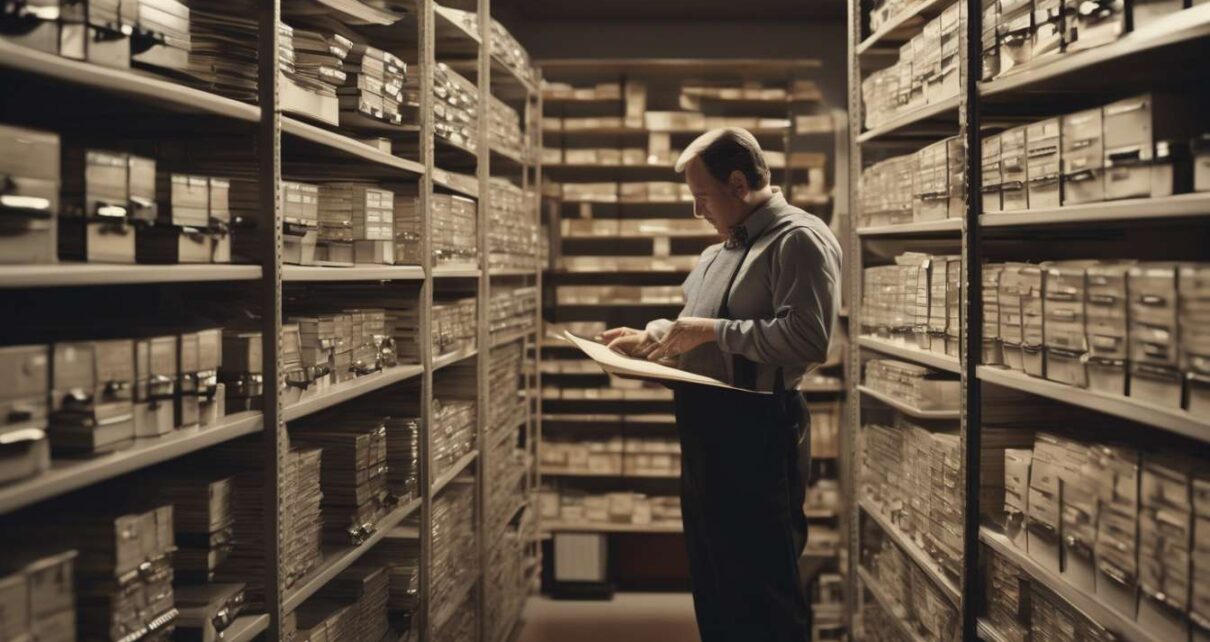
This statistic reshapes how we approach cultural heritage. We confront stacks of contracts, original film elements, performer correspondence, and business ledgers that reveal not only commercial practices but social histories often overlooked.
As archivists, researchers, and advocates, we collaborate to establish standards that respect privacy, consent, and legal complexity while ensuring long-term access for scholarship.
- We develop and follow redaction protocols to protect individuals where necessary.
- We implement digital migration strategies to preserve born-digital and digitized assets.
- We create rights workflows to clarify what can be accessed, by whom, and under what conditions.
Our work demands sensitivity to stigma and a commitment to contextualizing materials within broader labor, gender, and media studies. This means documenting provenance, providing interpretive metadata, and creating access statements that frame materials responsibly.
By building archival systems tailored to the adult industry’s specific needs, we enable future historians to analyze industry evolution, worker agency, and cultural impact without erasing the human stories embedded in these records.
- Systems should balance ethical stewardship with transparency.
- Policies should foreground consent and harm minimization while facilitating legitimate scholarly inquiry.
Surveying Existing Records
We’ll start by cataloging what records already exist, where they’re held, and in what formats so we can identify immediate preservation needs.
We’ll move together through production logs, contracts, negatives, and born-digital files, noting provenance to trace ownership and context.
As a team, we respect contributors and prioritize privacy when recording sensitive metadata, but we won’t conflate that with full redaction practices reserved for later discussion.
We’ll inventory physical conditions, media types, and access restrictions, creating a shared registry that helps everyone feel included in stewardship.
We’ll assess digitization needs by weighing format obsolescence, storage costs, and potential for controlled access.
We’ll document custodial histories so future caretakers can understand provenance chains without exposing private details now.
We’ll set clear priorities:
- Stabilize fragile items.
- Ingest at-risk digital files.
- Prepare standardized metadata fields.
By working transparently and collaboratively, we’ll build an archival baseline that supports preservation goals while honoring community trust and belonging.
Privacy and Redaction
We’ll develop clear guidelines for what personal and sensitive information we redact, what we restrict, and what we document so contributors’ safety and researchers’ needs are both protected.
We’ll prioritize privacy by identifying names, contact details, financial records, health information, and any imagery that could reveal identity unless explicit consent and clear provenance are documented.
We’ll create consistent redaction protocols applied during digitization to maintain integrity across collections while logging every change.
We’ll treat restricted items as accessible only under controlled conditions and record who requested access, why, and when.
We’ll balance community trust and scholarly value by keeping anonymized metadata that supports research without exposing individuals.
We’ll ensure provenance notes capture source context—even when portions are redacted—so researchers understand what’s missing and why.
We’ll involve contributors in decisions when possible, offering avenues for review or appeal.
We’ll train staff in ethical judgment, technical redaction practices, and transparent recordkeeping so everyone feels respected and included in preserving this cultural history.
Rights and Access Policies
We will define clear rights and access policies that specify who can view, use, or reproduce materials, under what conditions, and how permissions are granted, documented, and enforced.
We will center these policies on respect for privacy and on preserving provenance so contributors and researchers feel included and protected.
We will describe user categories, required credentials, permissible uses, and exceptions, including:
- Time-limited or case-by-case exceptions.
- Requirement of signed agreements for sensitive materials.
We will maintain transparent request workflows and logs that record approvals, denials, and the rationale so community members trust that decisions are consistent and fair.
We will adopt standardized licensing terms where appropriate, while allowing bespoke arrangements that honor creator intent and legal constraints.
We will integrate privacy assessments into access decisions and keep provenance metadata intact and visible to downstream users.
We will avoid conflating rights management with technical digitization choices, focusing instead on who gets access and on what legal and ethical grounds.
We will review policies regularly with stakeholders to ensure they reflect evolving norms and community needs.
Digitization and Migration
We will establish efficient, standardized workflows to convert analog and born-digital adult industry materials into durable, searchable formats while preserving essential context and metadata.
We will prioritize digitization practices that respect contributors and users, creating processes everyone can trust and participate in.
We will apply lossless file formats, controlled vocabularies, and redundant storage to reduce risk and maintain long-term usability.
We will schedule regular migration cycles to prevent obsolescence and document each transfer to support provenance.
We will embed access controls and encryption where needed to protect privacy, balancing openness with consent and legal obligations.
We will train staff and volunteers in technical standards and ethical handling so our community feels included and competent.
We will pilot small batches, evaluate quality and discoverability metrics, then scale based on shared feedback.
We will maintain transparent change logs and disaster recovery plans so members know their contributions are safe.
We will iterate collaboratively, ensuring our digitization and migration strategy remains accountable, resilient, and aligned with community values.
Provenance and Metadata
We document provenance for every item: who created, contributed to, and managed it — when, where, and under what conditions — so future users can assess authenticity, rights, and context.
We record provenance as a core value: tracing ownership chains, production credits, and accession notes so the community can trust materials and feel included in stewardship.
Our metadata schemas capture technical, descriptive, and administrative details:
- Technical details from digitization (file formats, resolution, capture device).
- Descriptive tags for content and subject access.
- Administrative fields that indicate rights, embargoes, and sensitivity levels.
We balance transparency with privacy: we minimize identifying metadata where harm could occur, and use controlled vocabularies and access flags so members know what’s shareable.
We maintain change history and relationships:
- We keep versioning and audit trails for edits.
- We link related items to preserve relationships across collections.
We standardize metadata and provenance documentation: this makes materials discoverable and interpretable for researchers, contributors, and community members alike.
The result: a shared approach that builds confidence, enables responsible use, and ensures the archive serves everyone who relies on it.
Ethical Stewardship Practices
We commit to stewarding materials with care, prioritizing consent, safety, and dignity for creators and communities.
We center privacy in every step.
- Design access and storage protocols that limit exposure of sensitive identifiers.
- Respect and implement requests to restrict or remove materials.
We document provenance rigorously.
- Record origin, chain of custody, and rights status.
- Use clear provenance to build trust and support ethical decisions about use.
We balance preservation and access during digitization.
- Use secure workflows that minimize unnecessary copying.
- Embed contextual metadata that clarifies permission boundaries.
We consult with contributors and represented communities.
- Incorporate their perspectives into retention schedules, access levels, and descriptions.
- Ensure people feel seen and protected.
We train staff to recognize harms and respond consistently.
- Train staff to identify potential harms and privacy risks.
- Handle takedown requests promptly.
- Apply consistent criteria grounded in dignity and legal obligation.
By aligning privacy, provenance, and thoughtful digitization, we create an archival environment where creators and users alike can belong and engage responsibly.
Researcher Use Frameworks
Researcher use frameworks: who, why, and under what conditions
We establish clear researcher use frameworks that define who can access materials, for what purposes, and under which conditions to protect creators and communities.
Tiered access levels and requirements
We create tiered access levels that balance research value with privacy protections, requiring:
- credentials,
- project descriptions,
- agreements that prohibit harmful reuse.
Provenance and context
We document provenance carefully so users know context, rights, and restrictions. Provenance records travel with digitization outputs to avoid detached or decontextualized copies.
Researcher obligations and denial authority
We require researchers to explain methods and intended dissemination, and we reserve the right to deny requests that risk exposure or stigmatization.
Mediated and restricted access for sensitive items
We enable mediated access for sensitive items, offering:
- supervised viewing,
- redacted files,
- and logging of all uses to maintain accountability and audit trails.
Equitable access and appeals
We support equitable access by offering:
- fee waivers,
- remote options,
- clear appeals procedures
so everyone in our community feels included.
Ongoing review and adaptation
We review frameworks periodically with advisory input to adapt to new legal, technological, and ethical challenges while keeping safety, dignity, and scholarly inquiry aligned.
Community Engagement Strategies
We’ll engage with creators, subjects, and community groups from the start to co-design access policies, interpretive materials, and outreach that respect their rights and priorities.
We’ll listen first, convening advisory panels that reflect varied identities and roles so decisions about privacy, provenance, and digitization arise from shared understanding rather than top-down assumptions.
We’ll co-create consent forms, layered rights statements, and contextual notes that honor contributors’ wishes and explain provenance transparently to users.
We’ll pilot community-led exhibits and online features that foreground narratives contributors choose to share, and we’ll run regular feedback sessions to adjust access levels and descriptions.
We’ll train staff and volunteers together with community educators to handle sensitive materials with care, ensuring digitization workflows include privacy safeguards like redaction, restricted access, and metadata practices that don’t expose vulnerable people.
We’ll allocate resources for reparative efforts, oral histories, and return-of-materials pathways.
By centering belonging and shared stewardship, we’ll build an archive that’s accountable, inclusive, and useful to those it documents.
How much will it cost to donate my materials, and are there funding or reimbursement options for contributors?
We don’t charge donors for processing basic donations. Donors typically only cover shipping costs.
Shipping assistance is available when possible. We’ll help arrange reduced-rate or prepaid shipping when funds permit.
Small stipends or reimbursements may be available. Case-by-case support for documented expenses is provided through grant-funded programs.
We’ll work with you to minimize costs and find funding options. Our goal is to ensure you feel supported and welcome throughout the donation process.
Can archival institutions help me appraise, organize, or box materials before transfer, and will they return materials if I change my mind?
We can appraise materials, advise on organization, and sometimes provide or loan boxes and supplies to prepare materials for transfer.
We will work with you collaboratively, honoring your choices and timeline.
If you change your mind before formal accessioning, we will arrange return or halt the transfer.
Once materials are accessioned into our collections, we will explain retention policies and discuss possible options.
We will keep you informed and treat you with respect throughout.
Do archives offer legal consultations or referrals regarding copyright clearance, performer contracts, or trademark issues related to adult industry materials?
We do not provide legal advice.
However, we can connect you with on‑staff counsel or trusted external attorneys when needed.
We share resources on key legal topics, including:
- copyright
- performer rights
- trademarks
We can guide you to practical materials and networks, such as:
- templates (contracts, release forms, etc.)
- community organizations experienced in adult‑industry issues
If you’d like, we can coordinate a referral and accompany you to the initial consultation to help ensure the process is respectful and that you receive informed support.
Conclusion
You’ve outlined how archival systems preserving adult industry production records must balance access, privacy, and ethics.
Survey holdings thoroughly.
- Conduct a comprehensive inventory of materials.
- Identify formats (paper, photo, video, digital) and assess condition and sensitivity.
Apply careful redaction and access controls.
- Remove or obscure personally identifying information where necessary.
- Create tiered access levels (open, restricted, closed) based on risk and consent.
Establish clear rights and metadata practices.
- Record provenance, copyright, and licensing information for each item.
- Capture performer consent status and any contractual restrictions.
- Include contextual metadata to aid ethical research and interpretation.
Prioritize thoughtful digitization and preservation.
- Use standards that preserve authenticity and technical integrity.
- Maintain multiple backups and fixity checks to ensure long-term preservation.
Track provenance and chain of custody.
- Document how materials were acquired and any changes made during processing.
- Preserve original order and context where possible to maintain research value.
Engage communities and stakeholders.
- Consult performers, producers, and affected communities about access and use.
- Incorporate community feedback into retention, description, and access policies.
Create transparent policies and researcher frameworks.
- Publish clear access procedures and ethical guidelines for researchers.
- Require researchers to agree to conditions that protect dignity and privacy.
- Offer contextual notes or disclaimers to prevent misuse or sensationalization.
Outcome:
By combining inventory, redaction, rights documentation, digitization, provenance tracking, community engagement, and transparent policies, you enable responsible stewardship that preserves sensitive collections for future inquiry while protecting dignity and meeting legal and ethical obligations.